Hot on Lobbies

Lobbies v1.4.1 · Changelog · Made by a gamer for gamers
Lobbies v1.4.1 · Changelog · Made by a gamer for gamers
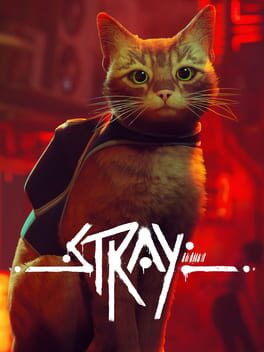
Stray is a masterpiece of atmosphere, storytelling, and pure joy. You play as a stray cat navigating a cyberpunk city inhabited by robots, and this simple premise opens up one of the most unique and memorable gaming experiences of 2022. The game’s greatest achievement is how perfectly it captures the feeling of being a cat. The movement, the animations, the way you interact with the world - it all feels authentic and delightful. Knocking objects off shelves, curling up for a nap, meowing at robots, and scratching on surfaces aren’t just mechanics; they’re moments of pure joy that make you smile constantly. The cyberpunk world is beautifully realized. The neon-lit city, the robot inhabitants, and the mysterious story create an atmosphere that’s both melancholic and hopeful. The game tells its story through environmental storytelling, with every detail contributing to the world-building. The relationship you build with your drone companion B-12 adds emotional weight to the journey. The gameplay is a perfect blend of exploration, puzzle-solving, and platforming. Navigating the city requires you to think like a cat - finding paths through vents, jumping between rooftops, and using your small size to your advantage. The puzzles are clever without being frustrating, and the platforming feels fluid and responsive. What makes Stray special is its heart. This isn’t just a game about being a cat in a cool setting; it’s a story about connection, loneliness, and hope. The robots you meet each have their own personalities and stories, and the way the narrative unfolds creates emotional moments that stick with you long after you’ve finished playing. Stray won Best Indie Game and was nominated for Game of the Year at The Game Awards 2022, and it’s easy to see why. It’s a game that proves you don’t need massive scope or complex mechanics to create something special. Sometimes, the perfect execution of a simple, beautiful idea is enough to create magic. Stray is my game of the year for 2022 because it’s a reminder of why I love gaming - the ability to experience something completely unique, to feel emotions through interactivity, and to be transported to another world. It’s a game I’ll remember forever, and it’s a perfect example of what makes indie game development so special.
Weird West is a dark fantasy reimagining of the Wild West that combines top-down action, immersive sim elements, and a compelling narrative into a unique package. Developed by WolfEye Studios (founded by former Arkane Studios members), it delivers the kind of systemic gameplay and player agency that made Dishonored and Prey so special. What makes Weird West special is how it embraces player freedom. Every situation can be approached in multiple ways, and the game’s systems react to your choices. Want to stealthily sneak past enemies? You can do that. Prefer to go in guns blazing? That works too. Set up elaborate traps? The game supports that. This freedom creates emergent gameplay moments that feel uniquely yours. The world is dark, mysterious, and wonderfully weird. From werewolves to witches to ancient curses, Weird West blends Western tropes with supernatural elements in a way that feels fresh and engaging. The five interconnected character stories create a rich narrative tapestry that rewards exploration and discovery. The isometric perspective and stylized visuals create a distinct atmosphere that perfectly captures the game’s tone. Combined with excellent sound design and a moody soundtrack, Weird West creates an immersive experience that keeps you coming back for more. Weird West is a game that respects player intelligence and rewards creative thinking. It’s a gem that proves immersive sim design principles work beautifully in different genres and settings.
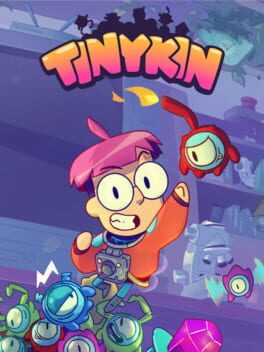
TinyKin is a charming 3D platformer that feels like a love letter to classic collect-a-thon games like Pikmin and Banjo-Kazooie. You play as Milo, a tiny explorer in a massive house, using tiny creatures called Tinykin to solve puzzles and explore the environment. The game’s premise is delightfully simple yet endlessly engaging. Each room of the house is a massive level filled with secrets, collectibles, and platforming challenges. The sense of scale is impressive - everyday objects become platforms and obstacles, creating a world that feels both familiar and fantastical. The Tinykin mechanics add strategic depth to the platforming. Different colored Tinykin have different abilities - some can build bridges, others can carry objects, and some can create explosions. Using the right Tinykin for the right situation adds a puzzle-solving layer that keeps the gameplay fresh. TinyKin’s visual style is gorgeous. The low-poly aesthetic is colorful and inviting, and the house environments are packed with detail. Every room tells a story, and the attention to environmental storytelling creates a world that’s a joy to explore. What makes TinyKin special is its pure, unadulterated fun. There’s no combat, no stress - just exploration, collection, and platforming at its finest. It’s a game that makes you feel like a kid again, discovering secrets and marveling at the world around you. In a year filled with complex, serious games, TinyKin’s joyful simplicity is refreshing and welcome.
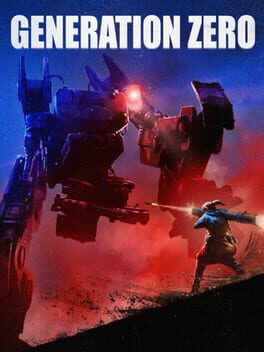
Generation Zero offers a unique take on the survival shooter genre, set in an alternate 1980s Sweden where hostile machines have taken over. The game’s atmosphere is its greatest strength - the quiet, rural Swedish countryside creates an eerie, tense environment that’s perfect for the game’s survival horror elements. The machine enemies are brilliantly designed. From small scouts to massive tanks, each machine type has distinct behaviors, weaknesses, and attack patterns. Learning how to fight each type creates a satisfying learning curve, and the large-scale machines provide some of the most intense and memorable boss encounters in gaming. The open world is beautiful and atmospheric. The 1980s setting is realized through environmental details, music, and aesthetics that create a distinct sense of time and place. Exploring the world feels rewarding, with abandoned houses, military installations, and hidden secrets scattered throughout. Generation Zero shines in co-op. Working with friends to take down massive machines, coordinating attacks, and sharing resources creates a fantastic cooperative experience. The game’s difficulty and scale make teamwork essential, and the satisfaction of bringing down a huge machine with friends is unmatched. The game’s progression system encourages exploration and experimentation. Finding new weapons, attachments, and equipment feels rewarding, and the customization options let you tailor your playstyle. The persistent world and dynamic events keep the experience fresh even after hours of play. Generation Zero earns its place for its unique setting, tense atmosphere, and excellent co-op gameplay. It’s a game that does survival horror in a fresh way, and the machine enemies create some of the most memorable encounters in recent gaming.
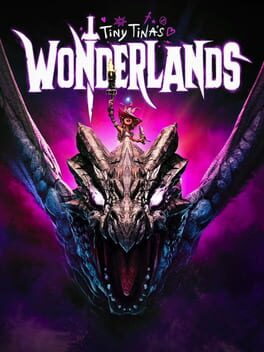
Tiny Tina’s Wonderlands takes the Borderlands formula and injects it with D&D-inspired fantasy chaos, creating one of the most fun and creative entries in the series. The game’s framing device - a tabletop RPG session run by Tiny Tina - allows for constant surprises, rule-breaking, and pure creative mayhem. The character creation is a standout feature. Instead of choosing from predefined Vault Hunters, you create your own Fatemaker, choosing from six character classes and mixing abilities in a way that encourages experimentation. The multiclass system adds depth to character building, and finding the perfect combination of abilities is satisfying. The fantasy setting breathes new life into the Borderlands formula. Spells replace grenades, melee weapons get more focus, and the enemy variety is fantastic. From skeletons to goblins to dragons, the fantasy enemies feel fresh while maintaining that classic Borderlands humor and chaos. The writing is sharp and hilarious. Tiny Tina’s chaotic energy drives the narrative, and the supporting cast is memorable and well-written. The game doesn’t take itself seriously, and that freedom allows for constant jokes, references, and moments of pure absurdity that keep you laughing throughout. The loot system is as addictive as ever. Finding new guns, spells, and equipment with wild combinations of effects creates that classic Borderlands loop of “just one more mission” that can turn into hours of play. The endgame content and Chaos Chamber provide plenty of reasons to keep playing after the main story. Wonderlands succeeds because it takes what makes Borderlands great and applies it to a fresh setting with new mechanics. It’s a game that’s unapologetically fun, and that fun factor makes it one of my most-played games of 2022.
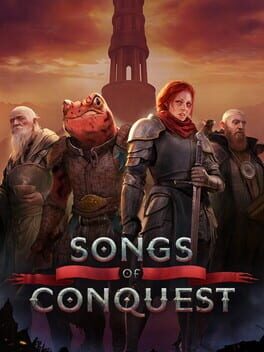
Songs of Conquest is a turn-based strategy game that feels like a modern love letter to classic Heroes of Might and Magic games. It perfectly captures the magic of those classic games while adding modern polish and quality-of-life improvements that make it accessible to both veterans and newcomers. The game’s presentation is stunning. The pixel art style is gorgeous, with detailed units, beautiful environments, and smooth animations that bring the world to life. Each faction has a distinct visual identity, and the attention to detail in the art creates a world that’s a joy to explore. The strategic depth is excellent. Managing resources, building your army, exploring the map, and engaging in tactical combat creates a satisfying gameplay loop. The battles are turn-based and tactical, requiring you to think carefully about unit placement, abilities, and timing. The magic system adds another layer of strategy, with spells that can turn the tide of battle. The campaign mode offers multiple factions and stories, each with unique units, abilities, and playstyles. Learning how each faction works creates replayability, and the different campaigns offer varied challenges and narratives. The map editor and modding support extend the game’s lifespan significantly, allowing the community to create custom content. What sets Songs of Conquest apart is how it balances accessibility with depth. The game is easy to learn but difficult to master, and that balance creates an experience that’s engaging for players of all skill levels. The quality-of-life improvements over classic games in the genre make it more accessible without dumbing down the strategic elements. Songs of Conquest earns its place for being the best modern take on the Heroes of Might and Magic formula. It’s a game that respects the classics while improving upon them, and the result is a strategy game that I’ve sunk countless hours into. For fans of turn-based strategy, it’s an absolute must-play.
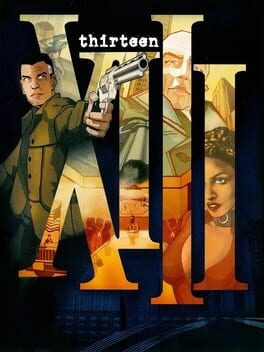
XIII Remake brought back a cult classic with its distinctive cel-shaded comic book aesthetic and thrilling spy thriller storyline. While the remake had a rocky launch, the core experience of playing as Agent XIII, amnesiac and accused of assassinating the President, remains compelling. The graphic novel art style is the game’s standout feature. Every frame looks like it was pulled directly from a comic book, with speech bubbles, onomatopoeia, and panel transitions that create a unique visual experience. This stylistic choice sets XIII apart from other first-person shooters and gives it a timeless quality. The conspiracy-laden plot keeps you engaged as you piece together your identity and unravel the mystery. The gameplay combines stealth, shooting, and puzzle-solving in a way that encourages experimentation. Whether you’re sneaking through levels or engaging in intense firefights, XIII offers variety and challenge. XIII Remake earns its place on this list for its bold artistic vision and engaging narrative. It’s a game that isn’t afraid to be different, and its comic book presentation creates an experience you won’t find anywhere else in gaming.


Comments(0)
No comments yet. Start the conversation.